
17th September 2026
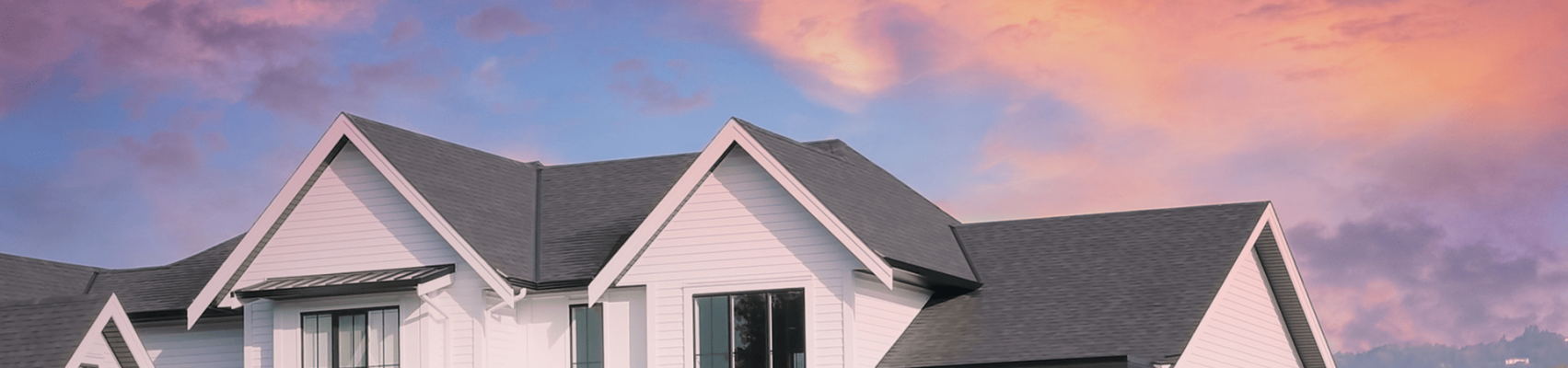
Designing a building to hold water at its highest point runs against centuries of architectural instinct. Roofs have always been about shedding rain quickly, protecting the structure below from any risk of ingress. A blue roof system disrupts that tradition – storing rainfall temporarily, releasing it at a controlled rate and doing so in a way that integrates seamlessly with a building’s performance and regulatory obligations.
The creative and technical challenges this presents are substantial.
The first challenge is structural. Water is heavy, which blue roofs must store without overloading the structure. The process is also complicated by the fact that water is dynamic. It moves, freezes, heats and cools, all of which can influence load distribution and the effect it can have on the surrounding materials. The roof must be detailed to manage these variables without compromising storage volume.
Drainage control is another critical dimension. The underlying drainage must be designed to meet strict standards, such as BS EN12056:3, so that discharge rates match hydraulic calculations and planning conditions precisely. This is not simply a matter of connecting an outlet – it is about ensuring the roof can deal with peak storm events without overwhelming the system below. Proteus Waterproofing’s Attenu8® system addresses this with a patented structural drainage and overflow layer that separates storage performance from the roof’s drainage compliance.
Thermal performance adds another layer of complexity. In inverted roof designs, retained water can have a cooling effect that undermines insulation performance, requiring thicker build-ups that affect height constraints, detailing and cost. Again, Attenu8® mitigates this by eliminating the cooling penalty, allowing architects to maintain slim build-ups while meeting BS6229:2018 requirements.
The question of falls is another consideration. Many insurers now prefer substrates laid to falls rather than zero-fall designs. Historically, this has been seen as limiting for blue roof storage, as falls can reduce the volume available. Modern systems are engineered to work with falls without losing capacity, allowing architects to meet insurer requirements while still delivering the full attenuation benefit. For refurbishment projects, this compatibility with existing falls allows blue roof technology to be deployed without invasive alterations to the roof deck.
However, distinctive good looks are where the challenge becomes most visible. Blue roofs are often paired with green roofs or bio-solar installations, turning water storage into part of a wider environmental strategy.
For high-value or critical-use buildings, water ingress is not an option. Data centres, healthcare facilities and defence structures demand redundancy in waterproofing. Here, Attenu8® incorporates a secondary sealed membrane layer, adding a layer of protection without forcing compromises in other design priorities. This is particularly valuable in design-led projects where complex roof geometries or multiple penetrations might otherwise increase risk.
The long-term view is also essential. A blue roof must be maintained in line with industry guidance such as GRO and Ciria C817, with the need to plan for safe, efficient access that does not undermine the building’s appearance or function. This includes discreetly integrating inspection hatches, removable panels or accessible walkways into the design.
Finally, there is the question of lifecycle impact. A well-designed blue roof can contribute to BREEAM credits, reduce the need for below-ground attenuation tanks and align with circular economy goals if components are re-usable. This adds a broader narrative to the design – one in which the roof becomes a multi-functional part of the building envelope.
All this means that designing with water is both a technical and creative test. It demands precision in engineering, confidence in materials and an ability to reconcile performance requirements with the architectural vision. Blue roofs are no longer niche solutions and with systems like Attenu8®, they are becoming essential, compliant and versatile tools.